
01 · Youth & Sexuality
Introduction
No. A preference for feet or shoes is not a sign that something is wrong with you, even if you notice it when you are a teenager. You do not need to feel sick or wrong because of it. What matters is how you feel about it. This text is aimed at you if you are young and are asking yourself this very question.
02 · Youth & Sexuality
What a disorder actually is
The word “disorder” can quickly sound threatening. In medicine, however, it has a fairly clear meaning. Since 2022, the World Health Organization has no longer listed fetishism as a separate diagnosis. Whether something is considered a disorder does not depend on what someone is attracted to. It depends on whether someone suffers severely because of it or whether other people are harmed.
This applies to adults just as much as to young people. An interest that you notice quietly for yourself and that does not torment you is not an illness. It is part of getting to know yourself.
03 · Youth & Sexuality
Different is not wrong
Perhaps you have the impression that your friends find very different things interesting from the things you do. That can feel lonely. But people are very different, including in what attracts them. Hardly anyone talks openly about it, especially when they are young. That is why it often seems as though you are the only one.
Many adults with a fetish for feet or shoes report that they first noticed it in their youth. I am one of them. I have lived with my fetish since my youth, have been married for many years, and have a family. Feeling differently from the majority does not mean that you are wrong.
04 · Youth & Sexuality
Three things you should know
- You did not choose this. No one consciously decides what attracts them. That is why there is no reason to feel guilty.
- It does not have to stay this way forever. What occupies your thoughts today may play a completely different role in a few years. Many things change over time.
- It does not determine who you are. You are much more than what attracts you: your friendships, your interests, the way you laugh, your values.
05 · Youth & Sexuality
What you do not have to do
You do not have to tell anyone about it if you do not want to. You do not have to test yourself or keep watching to see whether the interest is still there. And you do not have to do anything with your thoughts. Thoughts and feelings are private, and they belong to you.
06 · Youth & Sexuality
When it is good to talk to someone
Even if a preference is not a disorder, it can weigh on you. In that case, it is right to seek support. This is especially advisable if it often makes you feel very bad, if you withdraw, can no longer sleep well or concentrate at school, or if you notice that you might overstep other people’s boundaries. If you are thinking about harming yourself, please do not wait; get help immediately.
07 · Youth & Sexuality
A word about safety online
If adults online ask you for photos of your feet, offer you something in return, or ask you not to tell anyone about it, that is a serious warning sign. Break off contact and talk to a person you trust. You have done nothing wrong in a situation like this.
08 · Youth & Sexuality
Where you can find help
You can talk to a parent, a trusted teacher, or someone in school social work. If you would rather remain anonymous, you can reach the Nummer gegen Kummer child and youth helpline in Germany free of charge on 116 111. Counselling services such as pro familia also offer confidential conversations for young people. In an acute emergency, dial 112.
You do not have to tell anyone any details if you do not want to. It is enough to say that something is weighing on you and that you feel ashamed of it.
09 · Youth & Sexuality
What I want you to take with you
It took me a while to understand that the question “Am I normal?” is often the wrong one. More helpful is the question of how you are doing and how you can treat yourself well. You are not ill and you are not wrong. You are a young person who is currently finding out who they are. That takes time, and you are allowed to take that time.
Sources
Sources
- Markus M. Mey: BIN ICH NORMAL? Fuß- und Schuhfetisch verstehen. Erste Edition, meybrands, Berlin 2026. ISBN 9798247074557.
- World Health Organization: ICD-11 for Mortality and Morbidity Statistics, Paraphilic disorders (6D30–6D36), Release 2025-01. icd.who.int
- Nummer gegen Kummer e. V.: Kinder- und Jugendtelefon. nummergegenkummer.de
- pro familia Bundesverband: Beratung. profamilia.de
Explore further in the book
From the question to your own story.
“Am I Normal?” combines clear context with personal experience and perspectives for relationships.
View the English book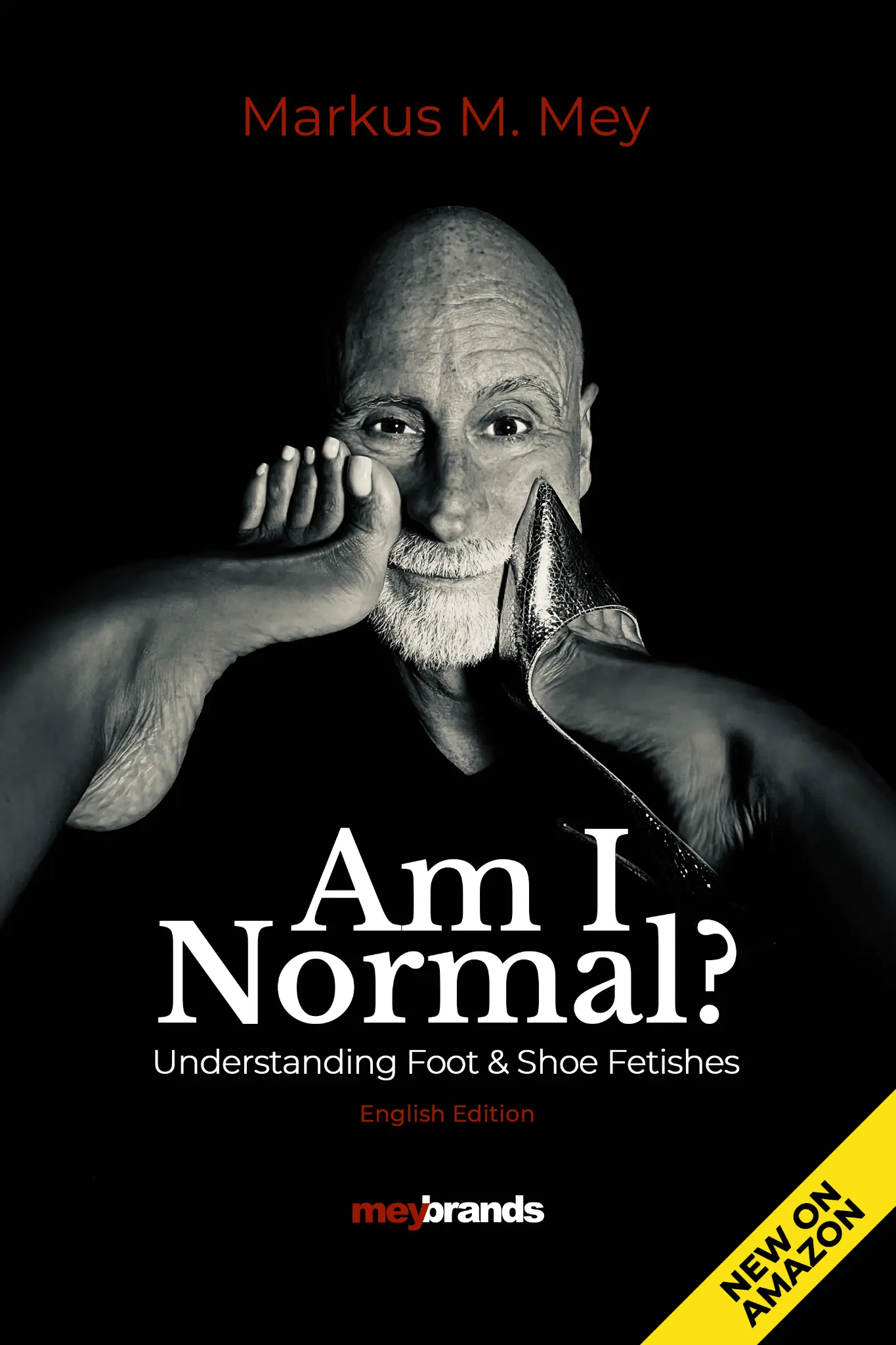
Let this article travel
Good knowledge grows stronger when it is shared.
Link to this original article as a further source — one click copies its permanent address.