
01 · Sexual Health
Introduction
It cannot be determined from a distance, but there are some clear distinguishing features. A fetish generally feels like part of one’s own pleasure. Obsessive thoughts, on the other hand, are experienced as alien, frightening, and unwanted. If you are unsure, you should have it assessed professionally, because the two are treated very differently.
02 · Sexual Health
Why the mix-up happens so easily
“Compulsive” is a word that is used quickly in everyday life. Someone who notices that their thoughts keep circling around feet or shoes may easily reach for it. On the internet, they then come across descriptions of obsessive-compulsive disorders, also known by the English abbreviation OCD, and recognise themselves in some of it. Conversely, people with sexual obsessive thoughts sometimes end up reading articles about fetishes and wonder whether they are “one of those people.”
In addition, we rarely view ourselves dispassionately. When we think about ourselves, feelings and our own experiences always become mixed in. That is precisely why an outside perspective is so valuable with a topic burdened by shame.
03 · Sexual Health
Three things that can feel similar
The following overview is not a substitute for a diagnosis. But it can help you describe your own situation more clearly:
- How do the thoughts feel? — Fetish: Wanted, as part of one’s own pleasure; Obsessive thoughts: Unwanted, alien, at odds with yourself; Compulsive sexual behaviour: As an urge that you give in to again and again.
- What do they trigger? — Fetish: Arousal and pleasure; Obsessive thoughts: Fear, disgust, tormenting doubts; Compulsive sexual behaviour: Brief relief, often followed by regret.
- What do you do afterwards? — Fetish: Fantasise, enjoy, act it out; Obsessive thoughts: Check, avoid, seek reassurance, mentally “neutralise”; Compulsive sexual behaviour: The behaviour is repeated despite negative consequences.
- What is at the core? — Fetish: Pleasure; Obsessive thoughts: Getting rid of fear; Compulsive sexual behaviour: Losing control.
04 · Sexual Health
What is different about obsessive thoughts
Obsessive thoughts often revolve around precisely what a person finds most abhorrent. Those who have them fear that they might want something they do not want. To calm this fear, rituals develop: constantly checking whether one is aroused, avoiding certain situations, ruminating for hours, or repeatedly asking others for reassurance.
Some affected people even report physical sensations in the genital area and interpret them as proof of genuine arousal. Professionals are familiar with this phenomenon. It does not mean that a person actually wants the content of the thoughts. And the more one fights against such thoughts, the more persistent they usually become.
A fetish works differently. It is sometimes experienced as too dominant, but at its core it feels like pleasure, not like a threat.
05 · Sexual Health
And compulsive sexual behaviour?
The World Health Organization has a separate diagnosis for compulsive sexual behaviour in ICD-11. It refers to a pattern that persists over a longer period, in which a person repeatedly cannot control intense sexual impulses. The behaviour becomes the focus of life, other areas such as health, relationships, or obligations are neglected, and even negative consequences do not change this.
One detail is important here. Distress that arises only from moral judgements or disapproval of one’s own behaviour is not sufficient for this diagnosis. So, someone who mainly feels ashamed because they have a fetish is not automatically affected.
06 · Sexual Health
More than one thing can also be present
The three areas are not mutually exclusive. A person can have a foot fetish and also suffer from obsessive thoughts that revolve around entirely different topics. Low mood or anxiety can also make it more difficult to deal with one’s own fetish. That is precisely why a thorough assessment is worthwhile, rather than putting yourself into a box.
07 · Sexual Health
How you can get it assessed
Psychotherapists, specialist doctors in psychiatry, or professionals with a focus on sexual medicine are appropriate contacts. If obsessive thoughts are suspected, it is worth specifically asking about experience with obsessive-compulsive disorders. Obsessive-compulsive disorders are considered highly treatable, though with methods different from those used for a distressing relationship with a fetish.
For the conversation, it helps to write down a few things beforehand. Which thoughts occur, and how do they feel? What do you do afterwards? How long has this been happening, and to what extent does it limit you? The more precisely you can describe it, the more quickly a clear picture emerges.
You do not have to decide for yourself which box you belong in. That is the professionals’ task. Your task is simply to honestly describe how you are doing.
Sources
Sources
- Markus M. Mey: BIN ICH NORMAL? Fuß- und Schuhfetisch verstehen. Erste Edition, meybrands, Berlin 2026. ISBN 9798247074557.
- World Health Organization: ICD-11 for Mortality and Morbidity Statistics, Paraphilic disorders (6D30–6D36), Release 2025-01. icd.who.int
- World Health Organization: ICD-11 for Mortality and Morbidity Statistics, 6C72 Compulsive sexual behaviour disorder. icd.who.int
Explore further in the book
From the question to your own story.
“Am I Normal?” combines clear context with personal experience and perspectives for relationships.
View the English book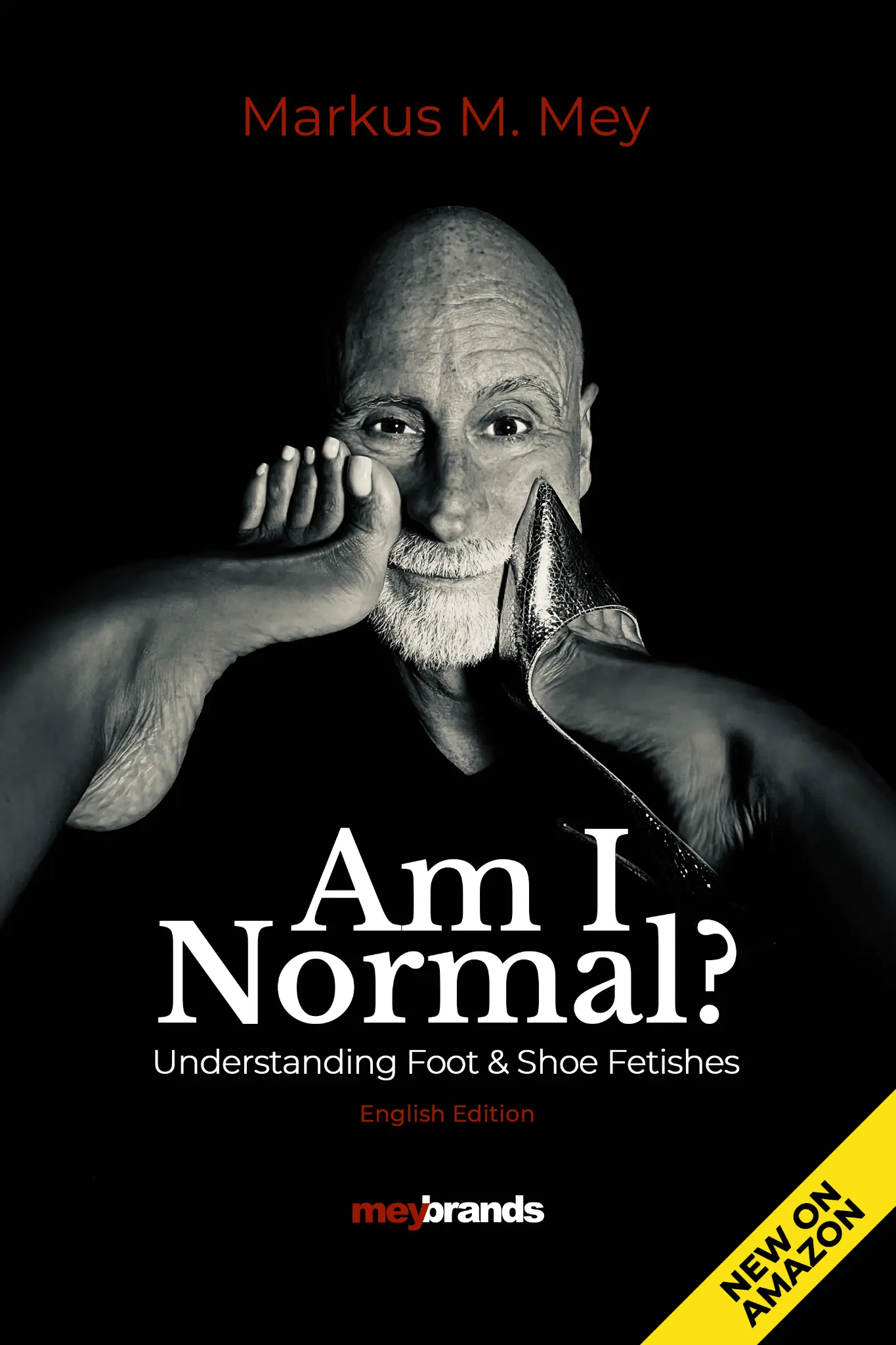
Let this article travel
Good knowledge grows stronger when it is shared.
Link to this original article as a further source — one click copies its permanent address.